
Do you ever put a picture or clip art on a spreadsheet? I don’t use them very often, but occasionally I’ll add a small picture on an instruction worksheet, or insert a company logo on a printable form.
If you do add pictures, do you fuss with them, or just slap them on the sheet, and leave them as is? I usually adjust the picture’s size, so it fits in the spot where I want it, and maybe crop a little off the sides.
Remove Picture Background
A couple of weeks ago, I saw John Walkenbach on Google Plus, showing how to remove the background from a picture in Excel. It looked interesting, so I decided to test that feature on one of my own pictures.
NOTE: The Remove Background feature was introduced in Excel 2010, so you can use it in that version too.
- First, I inserted a picture onto the worksheet, and selected the picture.
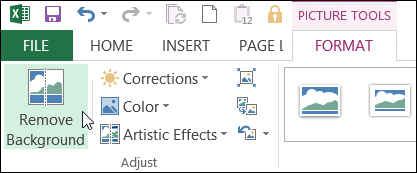
- On the Ribbon’s Format tab, I clicked the Remove Background command
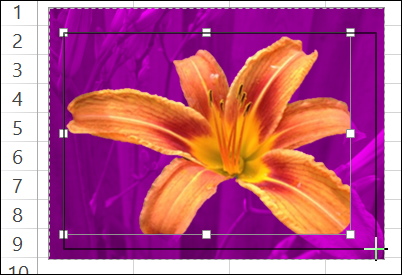
- The background changes to purple, and those are the sections that will be removed.
- There is a rectangular outline around the “Keep” section, and you can adjust that, to include or exclude more of the picture
Adjust the Sections
To adjust the sections that will be removed, you can use the tools on the Background Removal tab.
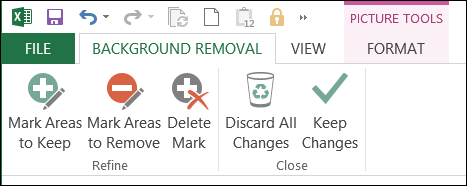
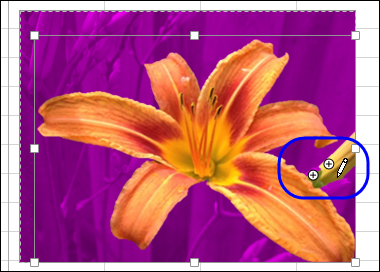
- For example, if a section is coloured pink, and you want to keep it, click the Mark Areas to Keep tool, then click on that part of the picture.
- If you change your mind, use the Delete Mark tool to remove the marks that you added.
Keep the Changes
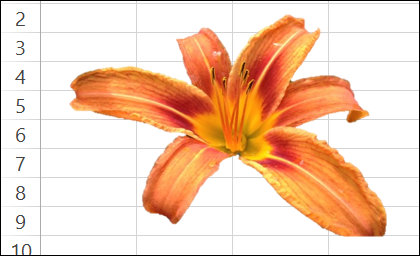
When you’re satisfied with the background markings, click the Keep Changes command, to see the result.
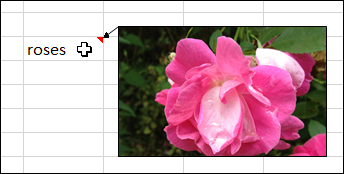
And remember, you can put pictures in cell comments too, where they only appear if you point to the cell.
Excel Book Giveaway
That’s just one of the 101 tips in John Walkenbach’s new book – 101 Excel 2013 Tips, Tricks & Timesavers.
You might already know a few of the tips, but there must be a few things that you don’t know – or you used to know, and forgot!
For example:
- Display a live calendar in a range
- Count non-duplicated entries in a range
- Use Flash Fill to extract data
- Perform inexact searches
Katie Mohr, at Wiley, has kindly provided a ebook copy John’s book for a giveaway. If you’d like to win a copy of the book, add a comment below.
- In your comment, share one Excel tip that you would include, if you were writing a book of 101 Excel tips.
- Include your email address, so Katie can contact you if you win. Your contact information won’t be publicly visible, and it won’t be used for any other mailings.
- The deadline is Wednesday, July 24, 2013, at 12 noon Eastern Daylight Time.
- One entry per person.
- The winner will be selected in a random draw, and announced here on Thursday, July 25th.
_______________
Using user forms to send data to lots of different worksheets.
The tip I would include is the usage of ‘F9’ while writing fomulas. It helps like a debugger to find answers to sub parts of the formula. Select the part of the formula you want to know the calculation to, then press F9. It displays that certain part as values.
“CTRL+D” – so simple and useful 😉
A usefull trick is to CTRL + [. This highlights precedents, so you can see the source-cells that makeup your formula.
I have found that a lot of people get overwhelmed thinking they need to learn a whole bunch of keyboard short-cuts right away. My useful trick is to pick one a week and make a conscious effort to remember to use that one as much as possible. The ones that are of use to them personally will become habit by then. And in just a couple of months, they will be amazed at how many they have learned.
I use this all the time: Alt + E + A + A for clearing everything in the selected range. And Ctrl + F1 for hidding the ribbon.